

Boat Consignment Lake Havasu City Made Simple
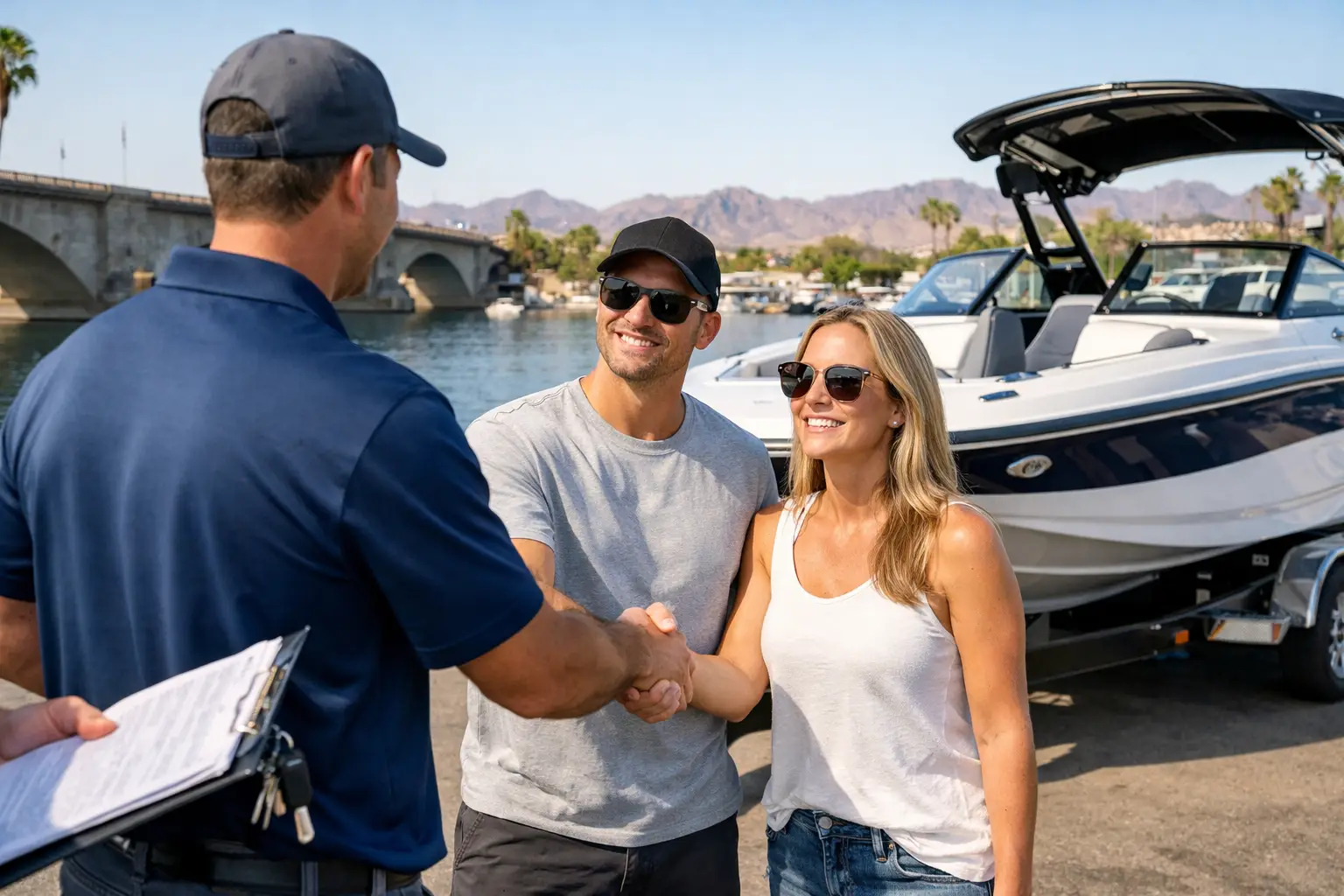
A boat that sits unused through another Lake Havasu season still needs attention, storage, insurance, and maintenance. Boat consignment Lake Havasu City owners choose can turn that idle asset into a sale without taking on the work of answering every call, arranging every showing, or negotiating with strangers at the dock.
Selling a boat is different from selling a small personal item online. Buyers want to know about engine hours, service history, trailer condition, upholstery, electronics, storage, and whether the boat is ready for the water. The right consignment partner helps present those details clearly, reaches qualified shoppers, and keeps the transaction moving from first question to final paperwork.
Why Boat Consignment Makes Sense in Lake Havasu City
Lake Havasu attracts a wide range of boat buyers. Some are local families looking for a dependable pontoon or runabout. Others come from across Arizona, California, Nevada, and the Southwest looking for a wake boat, performance boat, fishing boat, or larger vessel that fits their time on the water. That demand is valuable, but it also means buyers have choices and expect a boat to be represented accurately.
A private sale can work when an owner has the time to create an effective listing, field messages, schedule showings, verify serious buyers, and handle price discussions. It can be more difficult when the boat is stored off-site, needs repairs before sale, or is simply no longer getting enough use to justify the effort.
Consignment puts a dealership team between the owner and the day-to-day selling process. Instead of relying on a few phone photos and a short classified description, the boat can be displayed where active shoppers are already comparing inventory. Buyers can ask practical questions, review features, and see the boat in person. For many owners, that is a better path than managing a sale around work, travel, or a busy retirement schedule.
What a Strong Boat Consignment Process Looks Like
The best consignment experience starts with an honest assessment, not an inflated number designed to win the listing. A boat needs to be priced for its condition, equipment, age, engine hours, trailer, and local demand. Recent market activity matters, but so does the time of year. A price that looks attractive on paper can keep a boat sitting if it ignores what comparable boats are actually selling for.
Once the boat is accepted, the goal is to make it easy for a buyer to understand its value. Details matter. A pontoon buyer may care about seating layout, Bimini condition, stereo equipment, and trailer setup. A performance buyer may focus on engine package, drive condition, gauges, sound system, and service records. A family may be looking first at shade, storage, towing capability, and room for a full day on the lake.
A clear presentation should answer those questions before a buyer has to ask. Accurate specifications, condition notes, feature highlights, and quality photos create confidence. They also help prevent wasted appointments with shoppers whose needs do not match the boat.
At First Class RV & Marine, boat consignment is offered with no consignment fee, giving owners a local option for placing their vessel in front of dealership shoppers while avoiding the usual work of a private sale.
Pricing for a Sale, Not Just a Listing
Owners often have a number in mind based on what they paid, recent upgrades, or the memories attached to the boat. Those factors are real, but buyers evaluate what the boat offers today. A recent stereo upgrade may make a boat more appealing, while worn upholstery, expired safety equipment, or overdue service can reduce its market position.
Good pricing is not about giving the boat away. It is about setting a number that creates interest while leaving room for a reasonable conversation with qualified buyers. If a boat is priced too high, it may receive views but no serious offers. If it is priced too low, the owner may leave money on the table. Local market knowledge helps find the middle ground.
It also depends on the boat category. Clean, well-equipped pontoons and family boats can draw steady interest around the lake. Specialized high-performance boats may require a more targeted buyer. Older boats with strong mechanical records can still sell well, but the asking price must reflect their age and condition honestly.
Preparation That Protects Value
Before placing a boat on consignment, take care of the issues that will be obvious to a buyer. A clean boat signals responsible ownership. It does not need to look brand-new, but it should be presented as a boat someone can enjoy without immediately adding a long repair list.
Start with the basics: remove personal belongings, clean compartments, vacuum or wipe down seating, and clear out unnecessary gear. Gather service records, manuals, spare keys, trailer documentation, and titles or registration information. These items make a buyer more comfortable and can speed up the closing process.
Mechanical and cosmetic concerns deserve a practical decision. A small repair that improves first impressions may be worth completing before listing. On the other hand, a major repair may not always return its full cost at sale. This is where experienced service guidance helps. An owner can weigh the condition of the boat, the repair cost, and the likely effect on market value before deciding what to address.
Boat Consignment Lake Havasu City Owners Can Prepare For
The more organized the owner is at the beginning, the smoother the process tends to be. Bring the information a buyer will want to verify, including year, make, model, hull identification number, engine details, approximate hours, trailer information, and major options. If there are known issues, disclose them. Straight answers build trust and reduce the chance of a deal falling apart late in the process.
Consider how the boat will be used by its next owner. A boat that has been stored carefully, serviced regularly, and kept clean has a stronger story than one described only by its color or horsepower. If recent work has been completed, document it. If the boat includes desirable accessories such as covers, anchors, safety gear, tow equipment, or upgraded electronics, make sure they are identified.
For boats that need attention, do not assume they cannot be consigned. Some buyers actively shop for value and are willing to take on cosmetic work or minor repairs. The key is matching the condition and price to the right buyer rather than trying to make the boat appear different than it is.
The Advantage of a Full-Service Local Partner
A dealership that understands both sales and service offers a practical advantage during consignment. If a buyer asks about maintenance, an upgrade, or a repair need, there is a local team that can help evaluate the next step. That can make a pre-owned boat more approachable for a buyer who wants support after the sale, not just a handshake and a trailer hookup.
It also helps owners who are not sure whether to repair, upgrade, trade, or consign. A boat with faded upholstery, a damaged windshield, worn flooring, or a mechanical concern may benefit from work before it is shown. In other situations, selling it as-is at a market-appropriate price is the smarter choice. There is no one answer for every vessel.
The goal is convenience without losing control. Owners should understand the asking price, the boat’s condition, the information being presented to buyers, and what happens when an offer arrives. A professional consignment arrangement keeps those expectations clear while removing much of the pressure of a private transaction.
If your boat has become more of a storage responsibility than a weekend plan, it may be time to put it in front of buyers who are ready for Lake Havasu. Gather your records, take an honest look at its condition, and choose a sales path that respects both your time and the value of your boat.
Add a comment Cancel reply
Categories
- Uncategorized (1)
Recent Posts
About us

John Hendricks
Blog Editor
We went down the lane, by the body of the man in black, sodden now from the overnight hail, and broke into the woods..



We are a full service RV and Marine dealership offering sales, consignment, parts, RV & Marine service and mobile RV & Marine repair, paint and body damage repair located in Lake Havasu City.